
IVF in the United States laboratory: How to understand culture, cryopreservation and facilities?
Compare the laboratory director, culture technology, environmental control, sample identification and freezing monitoring disclosed by HRC, RFC, PFCLA, SCRC, RPMG, and understand the difference between equipment information and personal treatment records.
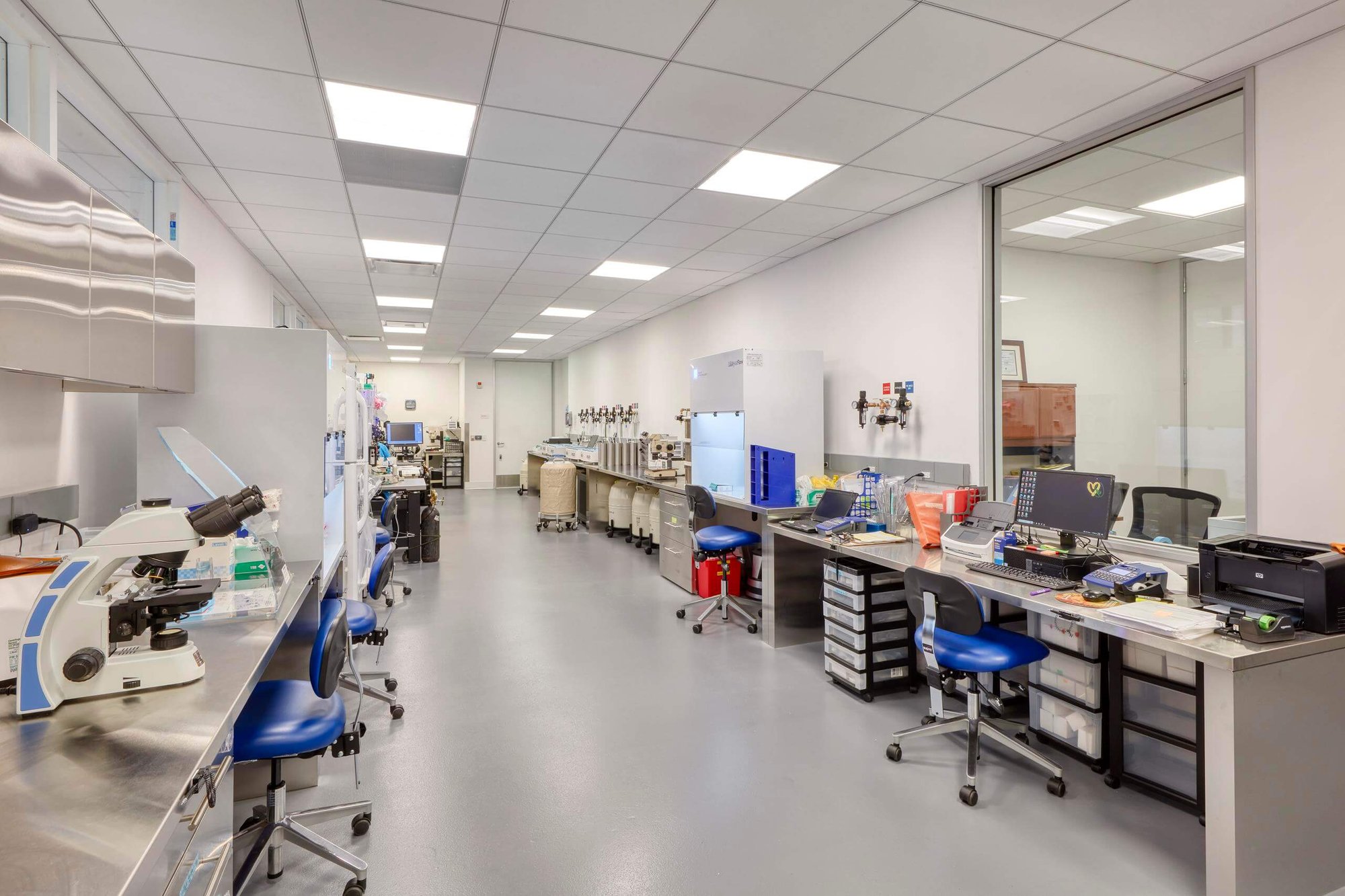
What laboratory information has been disclosed by HRC and RFC
| Comparison dimensions | HRC | RFC |
|---|---|---|
| Location and person in charge | Pasadena:Tih Tan;Newport Beach/Orange County: Charlotte Khoury;Encino:Eric Urcia。 | The official website introduces the IVF laboratory and laboratory team positions in the hospital; see the information of each hospital for the four hospital facilities. |
| Training information | Publicly introduce hypoxic culture, continuous culture medium and other culture conditions. | Public introduction to the EmbryoScope+ time-lapse imaging culture system. |
| Cryostorage | Vitrification is publicly introduced for work related to egg or embryo preservation. | Disclosure of cryopreservation and subsequent use of embryos and germ cells. |
| Genetic testing connection | Embryo culture, biopsy and testing should be confirmed separately according to individual items. | Publicly introduce IVF/PGT work; embryo biopsy and outbound testing should not be confused with the same process. |
These are differences in the content disclosed on the official website, not a complete list of equipment availability. Just because a certain technology is written in more detail on one official website does not mean that another company does not have it; the configuration of the specific clinic locations is not disclosed, and it is not copied to each location according to the brand introduction.
Hypoxic culture and time-lag imaging cannot be ranked with each other
Hypoxic culture describes the oxygen concentration conditions in the culture environment; continuous culture fluid involves the media strategy for embryo culture; time-lag imaging is an observation method that records embryonic development during culture. These technologies answer different questions and can exist at the same time. "Hypoxia" and "time-lag imaging" cannot be compared as the same equipment parameters.
Time-lag images can provide developmental process information, but the device model alone cannot predict a person's live birth probability. Judging a set of laboratory procedures also requires a combination of personnel operations, culture conditions, sample identification, quality control and reporting records. The final outcome is also affected by factors such as age, egg and embryo conditions, etc.
From egg retrieval to preservation, compare the actual work chain
| link | Specific materials that patients can check | The difference with equipment promotion |
|---|---|---|
| Fertilization after egg retrieval | Records of number of eggs retrieved, maturation status, and use of conventional IVF or ICSI. | Equipped with ICSI equipment, it does not mean that everyone must use ICSI. |
| Embryo culture | Records of fertilization results, days of culture, blastocyst formation and available embryos. | The introduction of the incubator does not mean that every embryo has the same development results. |
| Biopsy and Testing | What PGT is accepted, where the sample is sent, and who issues and interprets the test report. | The ability to perform biopsies in the laboratory does not mean that all genetic testing is completed in the hospital. |
| Freezing and thawing | Freezing date, sample identification, storage location, thawing and subsequent transfer records. | There are storage facilities in the hospital, which does not mean that personal samples are permanently stored at the egg retrieval location. |
Laboratory accreditation, personnel qualifications and monitoring are different information
The RFC official website introduces CAP and CLIA related laboratory information; laboratory directors or technical qualifications may also appear in personnel resumes. Institutional laboratory qualifications and individual qualifications should be read separately, and the specific locations and inspection scope covered should be checked. The applicable subject, address, scope and validity period of the certification should correspond to the laboratory actually used by the person.
Identity verification, tank monitoring, alarm response and backup power supply are related to sample management, but the details disclosed by the two public pages are not exactly the same. Before obtaining written information of the same caliber, laboratory safety scores will not be given based on this.
PFCLA, SCRC and RPMG: three other public information focus
The selection is not limited to HRCs and RFCs. Other included clinics have also published laboratory information at different levels, and comparisons can be made based on the same questions.
| Organization | Verifiable specific content | Explore further |
|---|---|---|
| PFCLA | The 2025 Lab Description describes the Oppenheimer Tower main facilities, self-contained positive pressure HVAC, HEPA/VOC filtration, benchtop incubator with Embryoscope, as well as UPS, generator and emergency transfer procedures. | Cultivation environment and emergency management · Westwood Location |
| SCRC | Public IVF/ICSI, time-lapse imaging, embryo grading, PGT, vitrification, and full-day monitoring; additional monitoring-only locations in the network of locations. | Laboratory work · Diagnosis, treatment and monitoring network |
| RPMG | Mitchel C. Schiewe leads the laboratory with public electronic witnessing, two-person verification, Boreas liquid nitrogen weight monitoring, redundant monitoring and backup power supply. | Identity verification and sample management · Irvine Monitoring Locations Only |
These contents reflect the emphasis of each company's public explanation. Failure to disclose certain details does not mean that there is no corresponding management; equipment and monitoring plans cannot be directly converted into live birth rate rankings.
How to use laboratory comparison to select an clinic
The current public information of HRC facilitates the identification of the three laboratories and their responsible persons, and the public content of RFC highlights time-lapse imaging, IVF/PGT and in-hospital laboratory work. Those who have chosen a doctor can further match the egg retrieval address, actual culture location, testing clinic and storage method; those who have embryos from other hospitals should give priority to understanding the reception conditions, original records and transportation connections.
The comparison results should fall into the laboratories and reports that I will use, rather than listing equipment names. The laboratory and location pages in the two special areas retain further information portals.